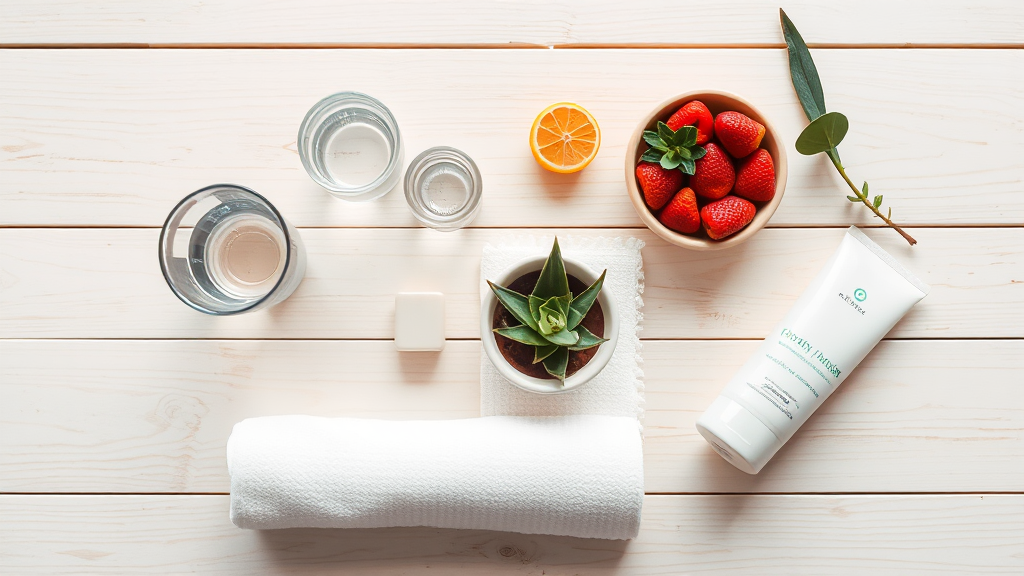
Everyday Helpful Beauty Tips: Simple Ways to Enhance Your Natural Glow
Beauty is not about perfection—it’s about feeling confident in your own skin. While the beauty industry often pushes complex routines and expensive products, true radiance comes from consistent, simple habits that nurture your body and mind. If you’re looking for helpful beauty tips that are easy to incorporate into your daily life, you’ve come to the right place. This guide will walk you through practical, science-backed strategies to boost your natural glow, from skincare and nutrition to mindfulness and sleep. Whether you’re a busy professional, a parent, or a student, these tips are designed to fit seamlessly into your routine.
In this article, we’ll explore how small changes—like hydrating properly, protecting your skin from the sun, and managing stress—can have a profound impact on your appearance. We’ll also debunk common beauty myths and provide actionable advice that you can start using today. Remember, beauty is a journey, not a destination. So, let’s dive in and discover how to look and feel your best, naturally.
1. Hydration: The Foundation of Glowing Skin
Your skin is your body’s largest organ, and it reflects your internal health. One of the most overlooked yet crucial aspects of beauty is hydration. Drinking enough water throughout the day helps maintain skin elasticity, flush out toxins, and prevent dryness. When you’re dehydrated, your skin can appear dull, flaky, and more prone to fine lines.
But hydration isn’t just about drinking water—it’s also about what you put on your skin. Using a moisturizer that suits your skin type, whether it’s oily, dry, or combination, helps lock in moisture and create a protective barrier. Look for ingredients like hyaluronic acid, glycerin, and ceramides, which are known for their hydrating properties. Apply moisturizer while your skin is still slightly damp after cleansing to maximize absorption.
Additionally, consider incorporating hydrating foods into your diet, such as cucumbers, watermelon, oranges, and leafy greens. These foods are rich in water and essential vitamins that support skin health from the inside out. Remember, a well-hydrated body leads to a naturally radiant complexion.
2. Sun Protection: Your Daily Shield
One of the most helpful beauty tips you’ll ever receive is to never skip sunscreen. Sun exposure is the leading cause of premature aging, including wrinkles, dark spots, and loss of elasticity. Ultraviolet (UV) rays can damage your skin even on cloudy days, so it’s essential to make sunscreen a non-negotiable part of your morning routine.
Choose a broad-spectrum sunscreen with an SPF of at least 30, and apply it generously to all exposed areas—not just your face, but also your neck, ears, and hands. Reapply every two hours if you’re outdoors, and more frequently if you’re swimming or sweating. If you wear makeup, consider using a setting spray or powder with SPF for easy touch-ups.
In addition to sunscreen, seek shade during peak sun hours (usually 10 a.m. to 4 p.m.), wear protective clothing like wide-brimmed hats and sunglasses, and avoid tanning beds. Your future self will thank you for investing in your skin’s long-term health.
3. Skincare Routine: Consistency Over Complexity
A simple but consistent skincare routine can work wonders. You don’t need a 10-step regimen to achieve healthy skin. In fact, over-cleansing or using too many active ingredients can irritate your skin and disrupt its natural balance. Instead, focus on the basics: cleanse, moisturize, and protect.
Cleanse your face twice a day—once in the morning to remove overnight buildup, and once at night to wash away makeup, dirt, and pollution. Use a gentle cleanser that doesn’t strip your skin of its natural oils. If you wear heavy makeup, consider using a makeup remover or cleansing balm first to avoid tugging at your skin.
Exfoliation is also key, but don’t overdo it. Exfoliating 1-2 times a week helps remove dead skin cells, revealing a brighter complexion. Choose a chemical exfoliant with AHAs or BHAs for a gentler approach, or a soft physical scrub if you prefer. Always follow up with a hydrating serum or moisturizer to replenish your skin.
Finally, don’t forget your eyes and lips. The skin around your eyes is delicate and prone to fine lines, so use a nourishing eye cream. For your lips, apply a balm with SPF during the day and a richer treatment at night.
4. Nutrition: Beauty From Within
What you eat plays a significant role in how your skin looks and feels. A diet rich in antioxidants, vitamins, and healthy fats can help combat inflammation and promote a youthful glow. Incorporate foods like berries, nuts, seeds, fatty fish (such as salmon), and colorful vegetables into your meals.
Antioxidants like vitamin C and E help protect your skin from oxidative stress caused by free radicals. Vitamin C is also essential for collagen production, which keeps your skin firm and plump. Citrus fruits, bell peppers, and broccoli are excellent sources. Omega-3 fatty acids, found in walnuts and flaxseeds, help maintain your skin’s lipid barrier, keeping it hydrated and supple.
Avoid excessive sugar and processed foods, as they can trigger inflammation and breakouts. Instead, opt for whole foods and stay mindful of your caffeine and alcohol intake, as both can dehydrate your skin. Remember, a balanced diet not only benefits your skin but also your hair and nails.
5. Sleep and Stress Management: The Beauty Restore
Beauty sleep is not a myth. During deep sleep, your body repairs and regenerates cells, including skin cells. Lack of sleep can lead to dark circles, puffiness, and a dull complexion. Aim for 7-9 hours of quality sleep each night. To improve your sleep, establish a bedtime routine, keep your bedroom cool and dark, and avoid screens at least an hour before bed.
Stress is another beauty thief. Chronic stress elevates cortisol levels, which can increase oil production and lead to acne breakouts. It can also accelerate the aging process. Finding healthy ways to manage stress is crucial for both your mental and physical well-being. Consider practices like meditation, deep breathing, yoga, or journaling. Even a short walk in nature can help clear your mind and reduce stress.
Incorporating these habits into your daily life will not only improve your appearance but also enhance your overall quality of life. When you feel calm and rested, it shows on your face.
6. Natural Beauty Remedies from Your Kitchen
You don’t always need expensive products to pamper your skin. Many natural ingredients found in your kitchen can serve as effective beauty treatments. For example, honey is a natural humectant that draws moisture into the skin, making it perfect for a hydrating face mask. Simply apply a thin layer of raw honey, leave it on for 15-20 minutes, then rinse off with warm water.
Oatmeal is another gentle ingredient that soothes irritated skin and provides gentle exfoliation. Mix ground oats with a little milk or water to create a paste, and massage it onto your face in circular motions. This is especially beneficial for those with sensitive or eczema-prone skin.
Green tea, rich in antioxidants, can be used as a toner to reduce inflammation and protect against environmental damage. Brew a cup, let it cool, and apply it to your face with a cotton pad. You can also freeze green tea into ice cubes for a refreshing morning facial massage that helps de-puff and energize your skin.
These natural remedies are not only cost-effective but also free from harsh chemicals, making them a safe addition to your beauty routine. However, always do a patch test first to ensure you don’t have an allergic reaction.
7. Makeup Tips for a Fresh, Natural Look
Makeup should enhance your features, not mask them. The goal is to achieve a fresh, natural look that boosts your confidence. Start with a good skincare base—clean, moisturized, and primed. Use a lightweight foundation or a tinted moisturizer that matches your skin tone perfectly. Avoid heavy layers that can cake and settle into fine lines.
Concealer is your friend for covering blemishes and dark circles, but use it sparingly. Blend well with your fingertip or a damp sponge for a seamless finish. For a natural flush, cream blushes are easier to blend and give a dewy appearance. Sweep a small amount onto the apples of your cheeks and blend upward.
When it comes to eyes, a simple coat of mascara and a swipe of neutral eyeshadow can open up your eyes. Curl your lashes first for extra lift. And don’t forget your brows—groomed brows frame your face and make you look polished. Use a brow gel or pencil to fill in sparse areas with light strokes.
Finish with a tinted lip balm or a nude lipstick for a soft, polished look. Remember, makeup trends come and go, but a clean, natural look is timeless.
8. Hair Care: Simple Tips for Shiny, Healthy Hair
Your hair is your crowning glory, and keeping it healthy doesn’t have to be complicated. The first step is to wash your hair with a sulfate-free shampoo that doesn’t strip natural oils. How often you wash depends on your hair type—oily hair may need daily washing, while dry or curly hair can go longer between washes.
Conditioning is essential. Apply conditioner mainly to the ends of your hair, where it’s driest, and leave it on for a few minutes before rinsing. Once a week, treat your hair to a deep conditioning mask or a natural oil treatment, such as coconut or argan oil. Apply the oil to your scalp and hair, cover with a warm towel, and leave it for 30 minutes before shampooing.
Heat styling can damage your hair, so try to air-dry whenever possible. If you must use a blow dryer, straightener, or curling iron, always apply a heat protectant spray first. Also, avoid tight hairstyles that pull on your scalp, as they can cause breakage and hair loss.
Regular trims every 6-8 weeks keep split ends at bay and promote healthy growth. And don’t forget to protect your hair from the sun—wear a hat or use a UV protectant spray when spending time outdoors.
9. Mindful Beauty: The Connection Between Inner and Outer Health
Beauty is deeply connected to your mental and emotional state. When you’re happy and relaxed, it radiates from your face. Practicing mindfulness can help you tune into your body’s needs and make healthier choices. Take time each day to check in with yourself—how does your skin feel? Are you feeling tense? This awareness can guide you in adjusting your routine.
Self-care is not selfish; it’s necessary. Carve out time for activities that bring you joy, whether it’s reading a book, taking a bath, or practicing yoga. Yoga, in particular, improves circulation and reduces stress, both of which benefit your skin. Poses like the camel pose (Ustrasana) can open up your chest and improve blood flow to your face, giving you a natural glow.
Surround yourself with positive people and uplifting content. Your environment influences your mindset, and a positive mindset often translates to a more radiant appearance. Remember, beauty is not just what you see in the mirror—it’s how you feel about yourself.
10. Common Beauty Mistakes to Avoid
Even with the best intentions, we all make mistakes in our beauty routines. One common error is popping pimples, which can lead to scars and infections. Instead, use a spot treatment with salicylic acid or benzoyl peroxide, and let it heal naturally.
Another mistake is using expired products. Makeup and skincare products have a shelf life, and using them beyond that can cause irritation or infections. Check the expiration dates and the PAO (Period After Opening) symbol on your products. If in doubt, throw it out.
Sleeping with your makeup on is a big no-no. It clogs pores and leads to breakouts. Always take the time to remove your makeup before bed, even if you’re tired. Use a gentle cleanser or micellar water to ensure every trace is gone.
Finally, don’t compare yourself to others. Everyone’s skin is unique, and what works for someone else may not work for you. Embrace your individuality and focus on being the best version of yourself.
Frequently Asked Questions (FAQ)
1. How often should I exfoliate my skin?
Exfoliating 1-2 times a week is generally sufficient for most skin types. Over-exfoliating can strip your skin of its natural oils and cause irritation. If you have sensitive skin, start with once a week and adjust as needed.
2. Can I use natural ingredients like lemon on my skin?
Lemon is highly acidic and can cause skin irritation, sun sensitivity, and even burns. It’s best to avoid applying lemon directly to your skin. Instead, use diluted lemon juice in a mask or opt for safer natural ingredients like honey or oatmeal.
3. Is it necessary to use a separate eye cream?
Eye creams are formulated with lower concentrations of active ingredients and are gentler than regular moisturizers. They also target specific concerns like puffiness and dark circles. While not strictly necessary, they can be beneficial, especially as you age.
4. How can I reduce dark circles naturally?
Getting enough sleep, staying hydrated, and applying a cold compress or chilled tea bags to your eyes can help reduce puffiness and dark circles. Also, ensure you’re not deficient in iron or vitamin B12, as deficiencies can worsen dark circles.
Remember, consistency is key. These helpful beauty tips are not quick fixes but long-term habits that will transform your skin and overall well-being. Start small, be patient, and enjoy the journey to a more beautiful, confident you.
About the Author